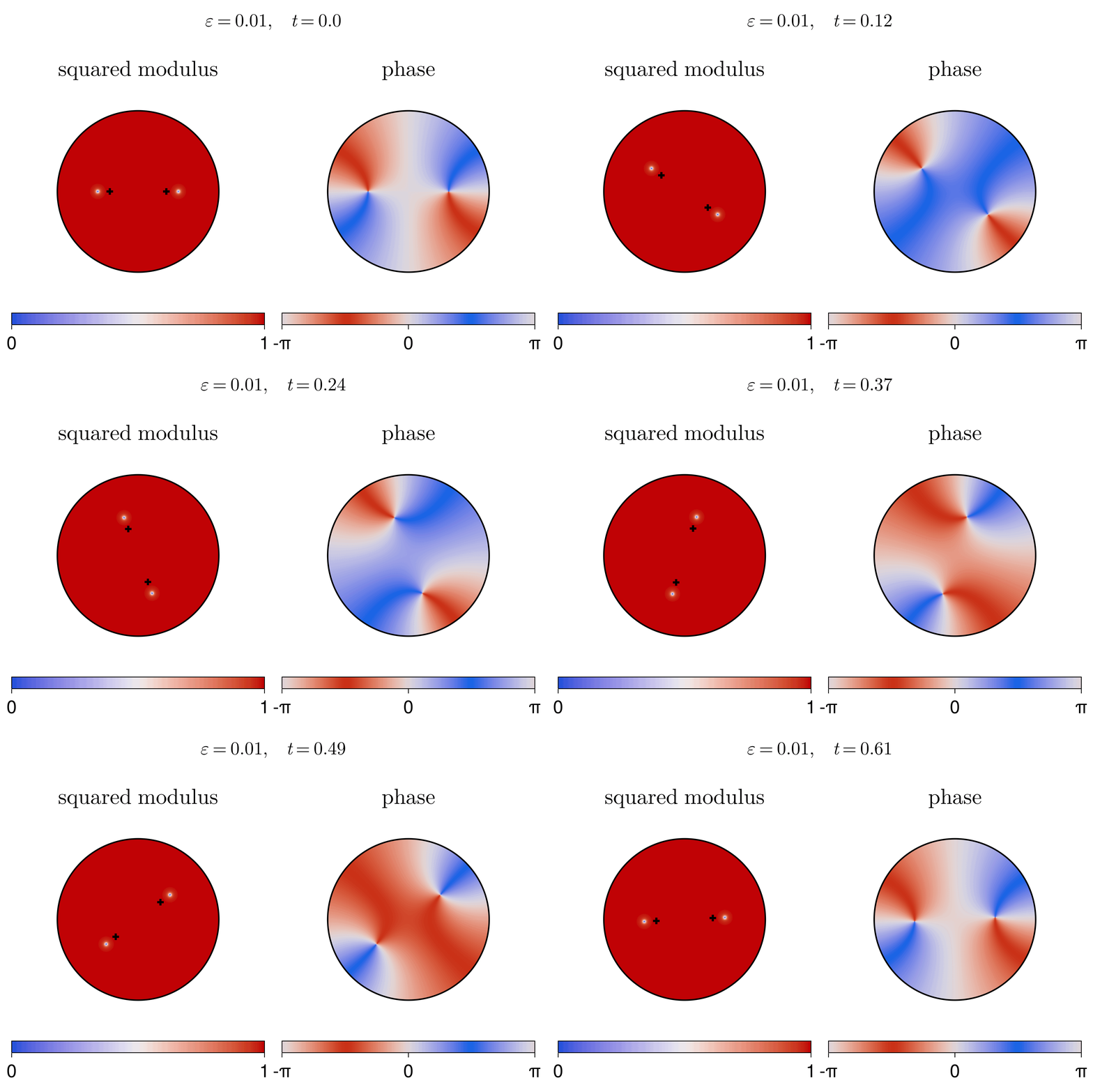
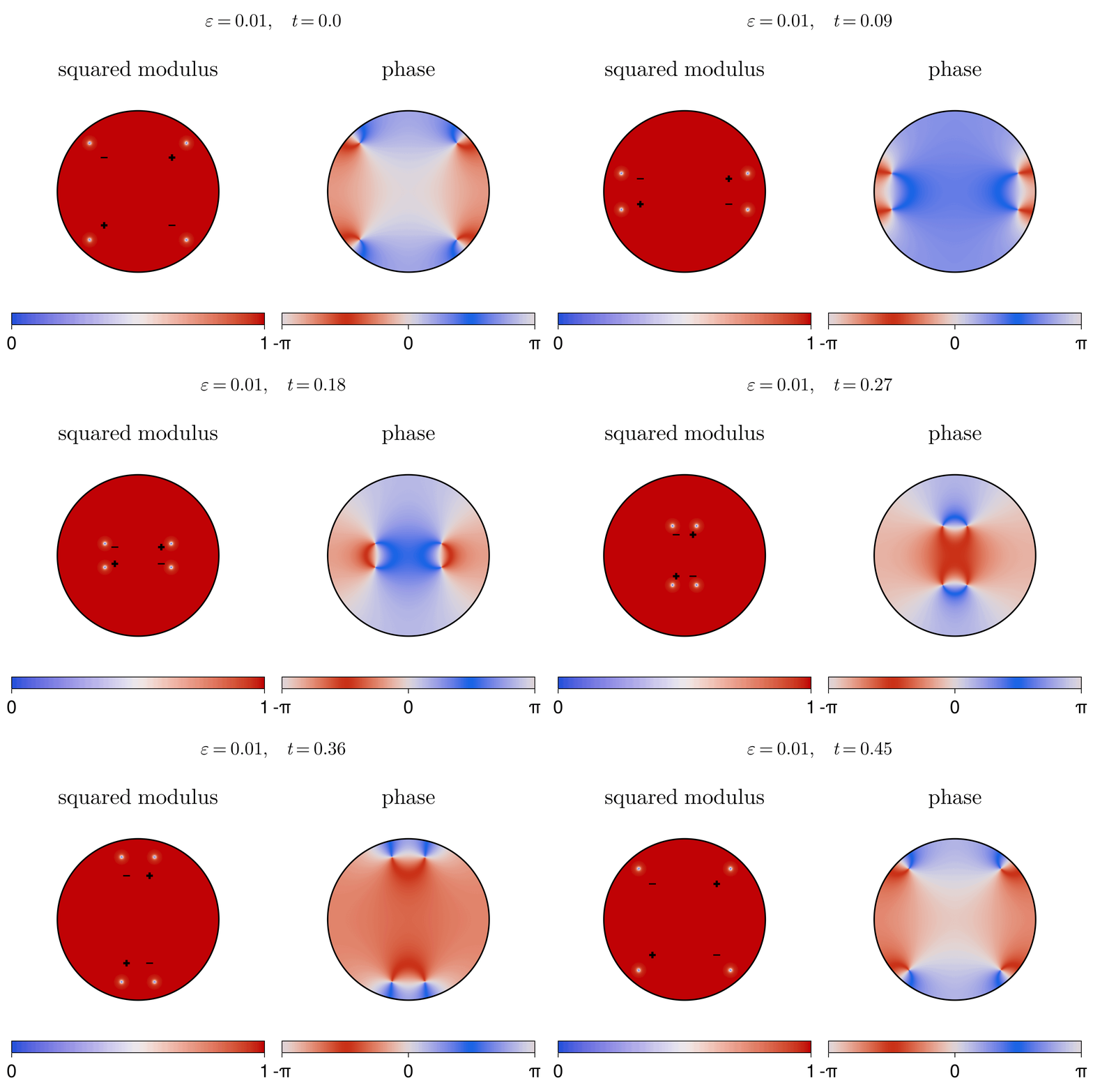
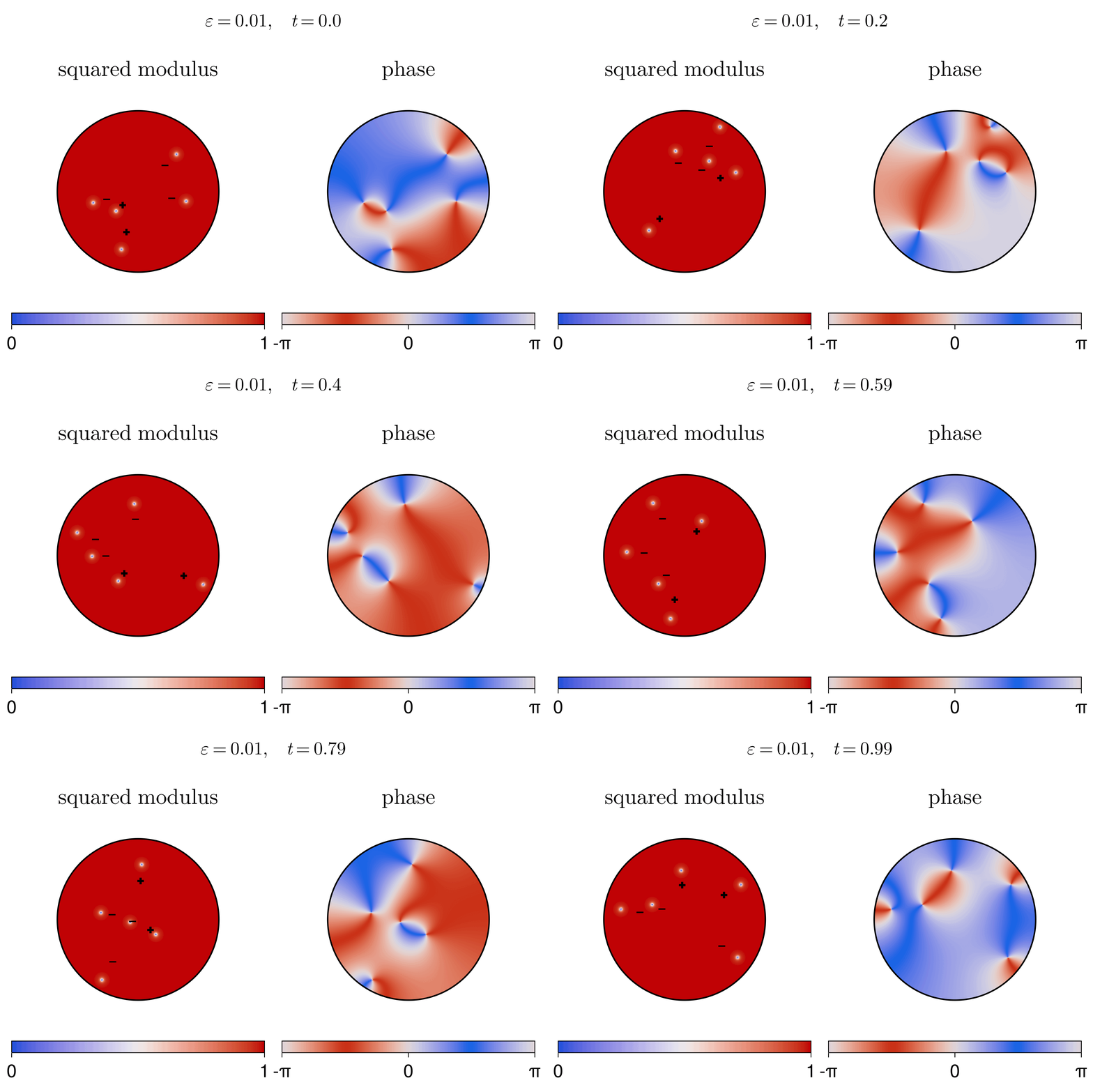
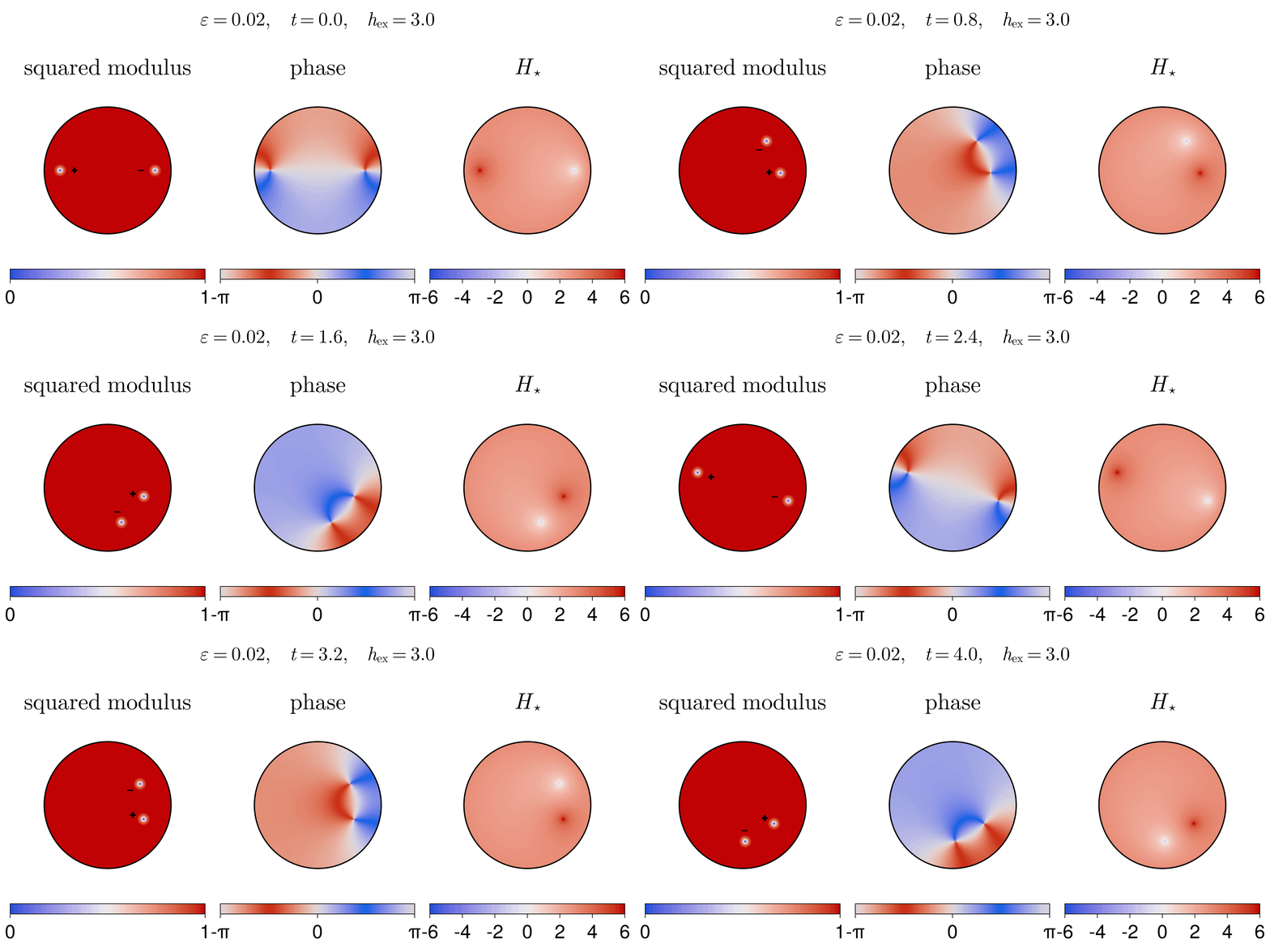
A well-known feature of Gross-Pitaevskii-type equations is the appearance of quantized vortices with core size of the order of a small parameter . These vortices interact, in the singular limit , through an explicit Hamiltonian dynamics. Using this analytical framework, we can develop numerical strategies based on the reduced-order Hamiltonian system to efficiently simulate the infinite dimensional equation for small, but finite, . This allows to avoid numerical stability issues in solving such equations, where small values of typically require very fine meshes and time steps.
You can find some funny-looking simulations for the Gross-Pitaevskii equation
on the unit disc in and . Note that they were obtained within a few seconds on a laptop, a significant improvement regarding standard method in the regime of very small vortices! (+ / - stands for a vortex with positive / negative degree)
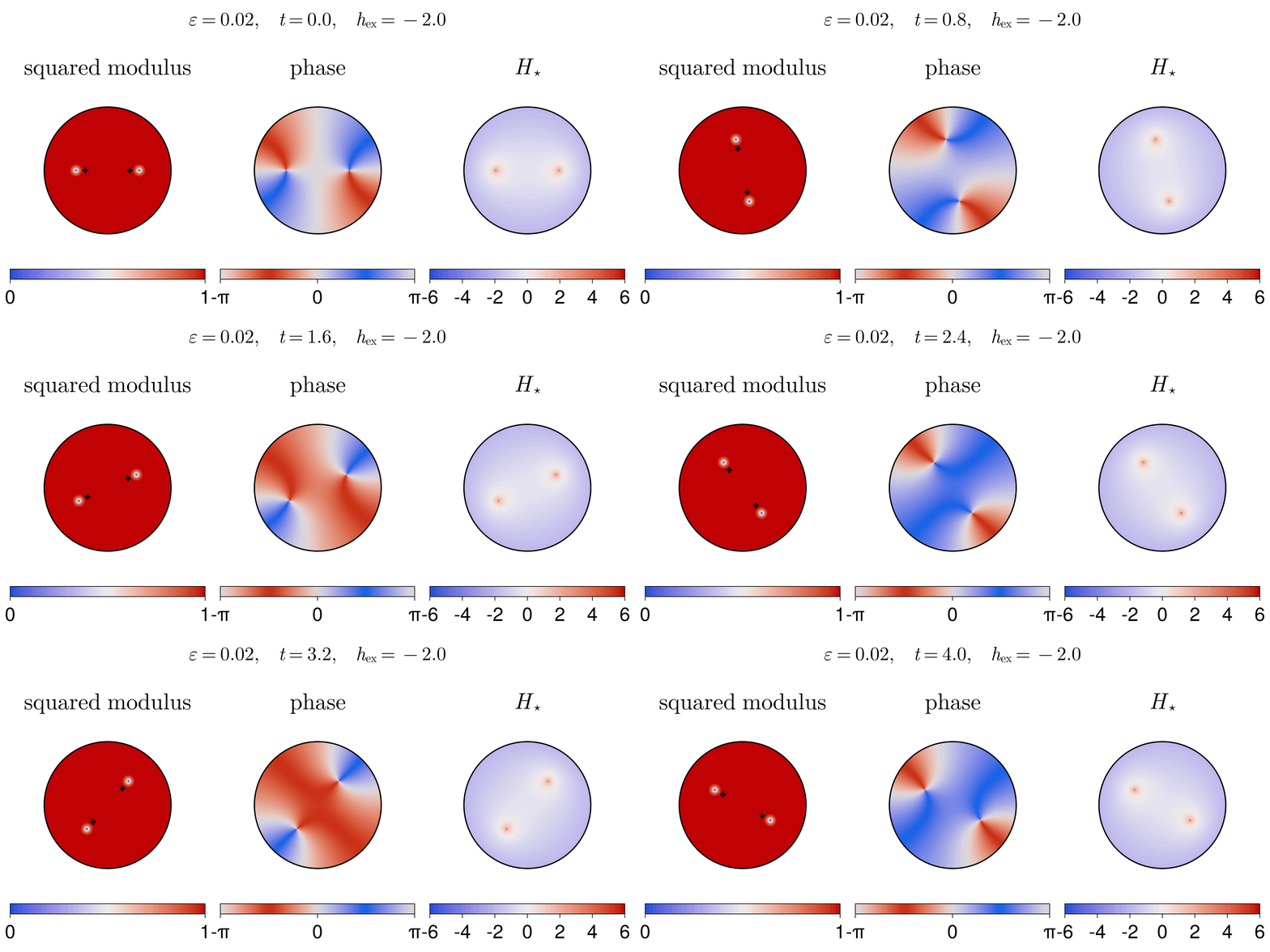
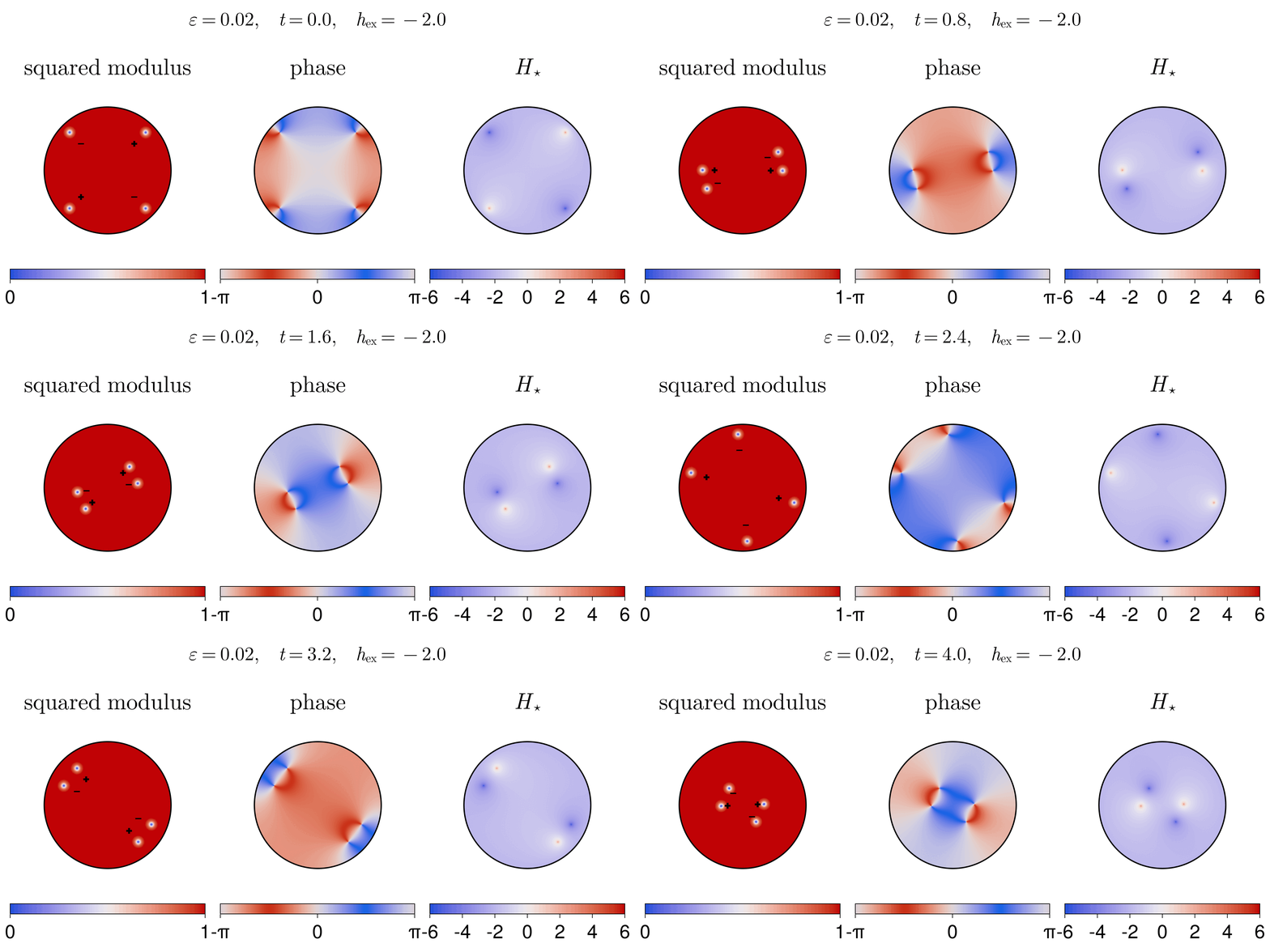
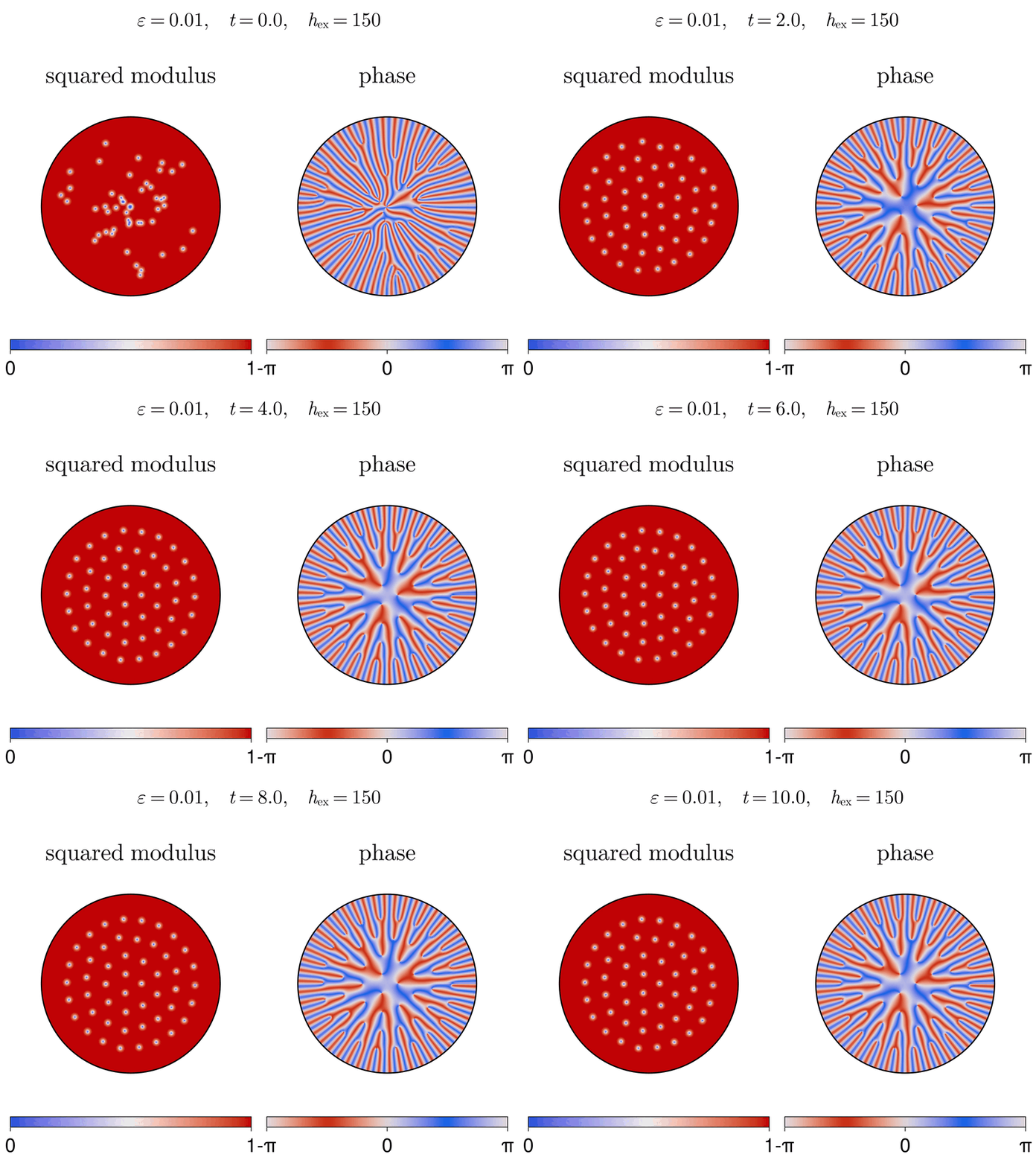
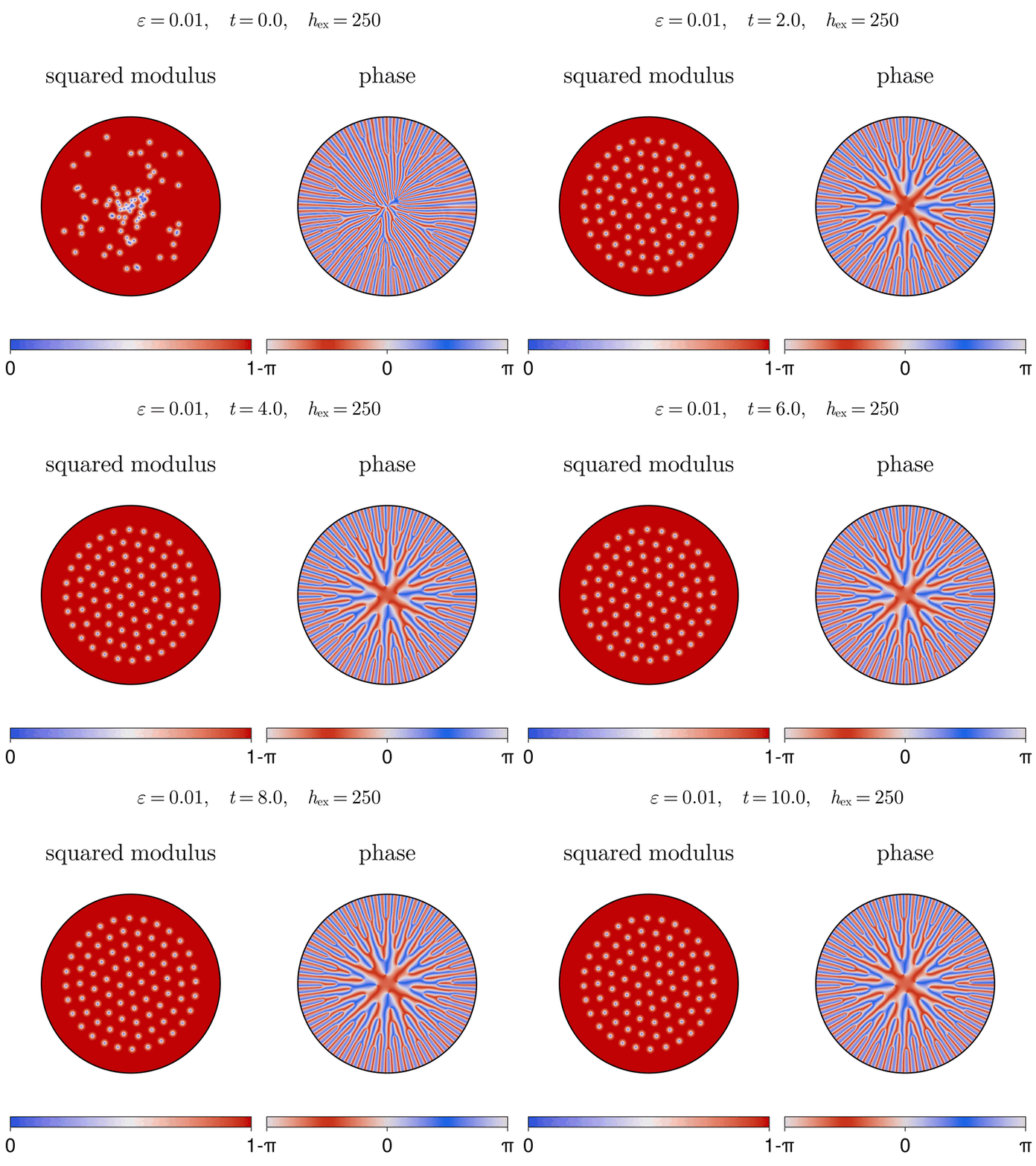
As for the magnetic Ginzburg-Landau equation, we developed a similar strategy with which we could obtain very nice simulations:
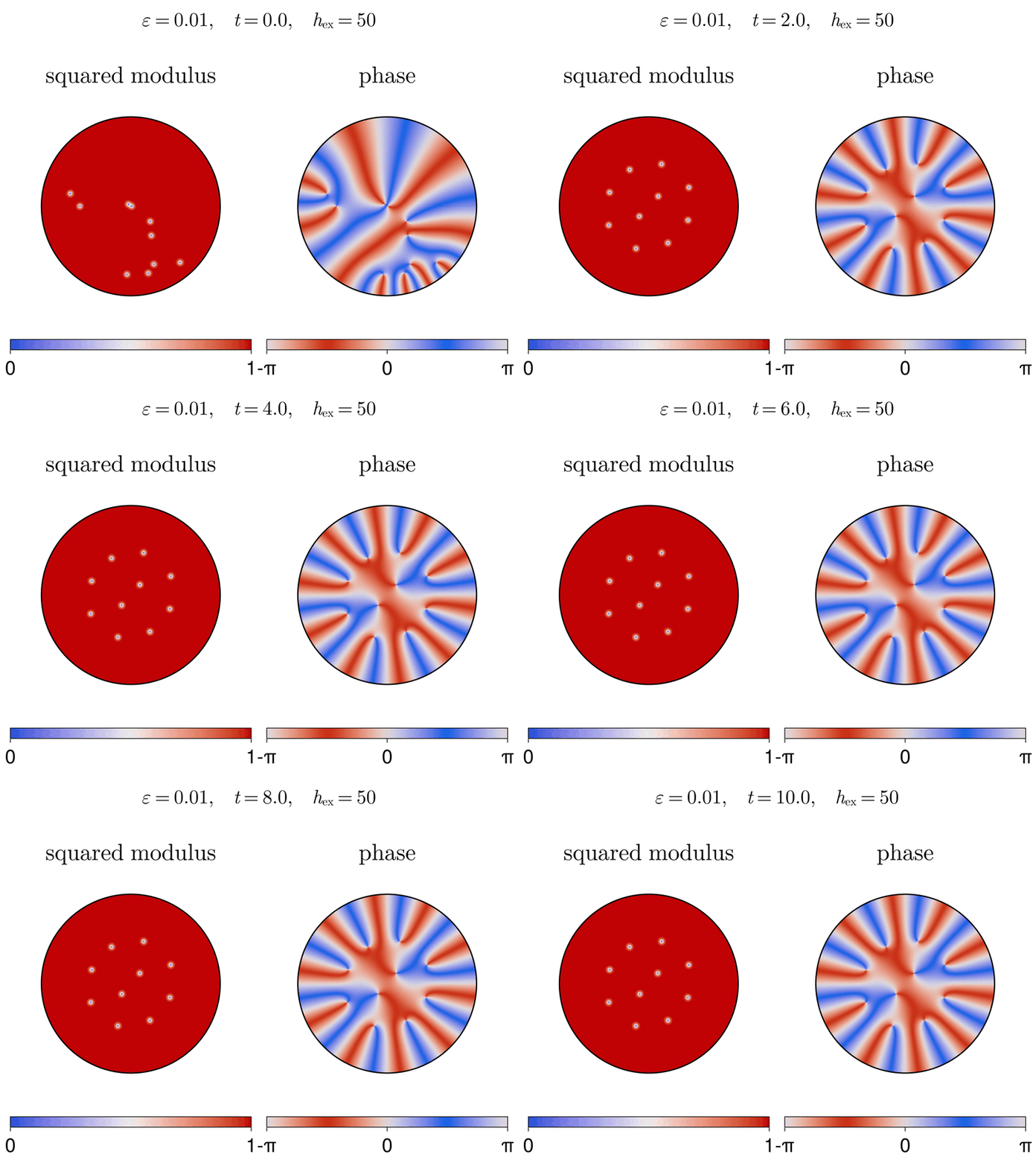
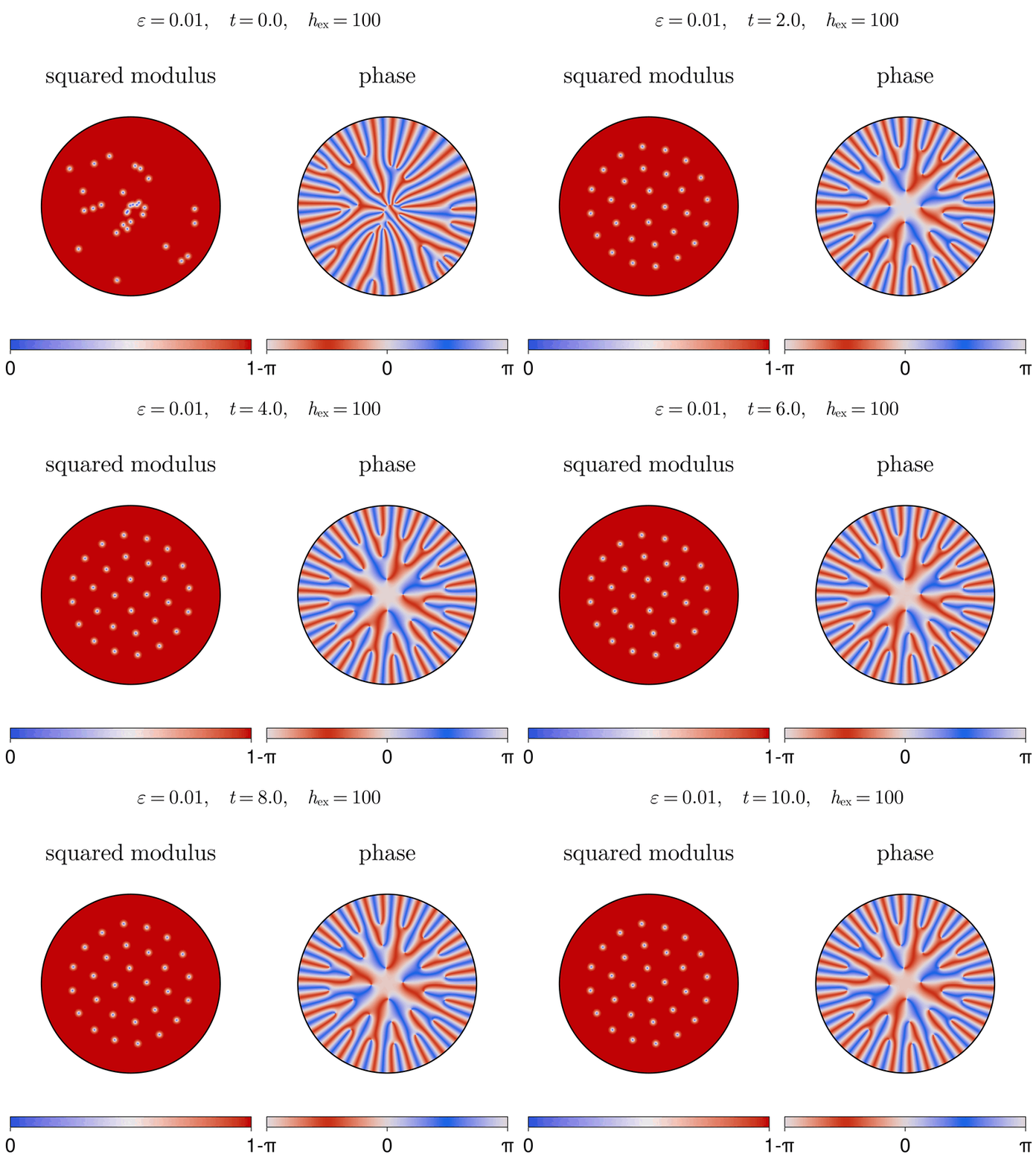
The previous simulations were obtained from the Schrödinger flow, which is known to preserve energy. Adding some dissipation, we can force to vortices to arrange into some stable pattern if the external magnetic field is strong enough:
Related works:
T. Carvalho Corso, G. Kemlin, C. Melcher and B. Stamm. Simulation of the magnetic Ginzburg-Landau equation via vortex tracking. pdf
T. Carvalho Corso, G. Kemlin, C. Melcher and B. Stamm. Numerical simulation of the Gross-Pitaevskii equation via vortex tracking. Mathematics of Computation, 95:227-262, 2026. doi - pdf
When is fixed, and not too small, simulating the full PDE is typically done with splitting methods, where the linear and non-linear parts are alternatively solved. In the context of the Gross-Pitaevskii equation on the full space with non-zero boundary conditions, the numerical analsysis of these methods requires some technical adaptations that we studied with Quentin Chauleur.
With this, we are able to simulate vortex nucleation using a time-dependent stirring potential moving into a superfluid initially at rest. Note how vortices appear out of nowhere!
Related works:
Q. Chauleur, G. Kemlin. Splitting methods for the Gross-Pitaevskii equation on the full space and vortex nucleation. pdf
CC BY-SA 4.0 Gaspard Kemlin. Last modified: June 03, 2026.
Website built with Franklin.jl, the Hyde theme and the Julia programming language.